

7 Car Wash Mistakes That Can Damage Your Paint
Most wash-induced swirl marks come from unnecessary friction, contaminated wash media, poor drying technique, or letting water and chemicals dry on the surface. Here are seven common mistakes, why they matter, and how to wash more safely.
If your paint is already swirled, stained or neglected, request local detailing service instead of experimenting on the finish.
Request a Detail →Keep reading for the safer method, then use the related guides and product sections to build your setup.
Browse Detailing Products →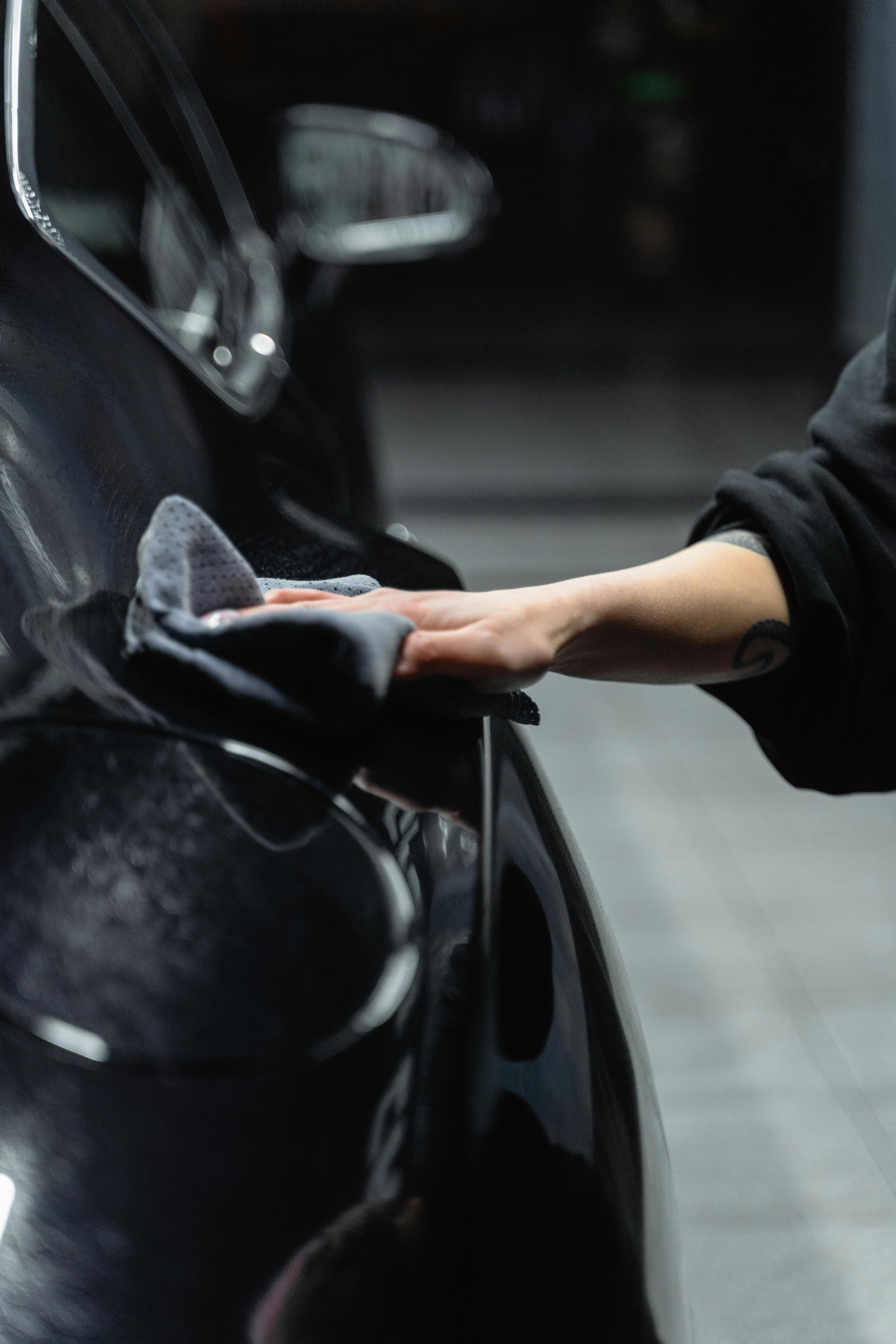
The goal of a safe wash is simple: remove contamination while minimizing how much dirt is dragged across the clear coat. You do not need an elaborate professional setup, but you do need clean wash media, plenty of lubrication and a process that keeps dirty tools away from clean paint.
If you see fine marks under direct sun or bright parking-lot lights, washing and drying technique may be part of the problem. Some defects are already in the paint from previous owners, automatic washes or years of use, so a wash routine is not always the only cause. But improving the process can prevent adding unnecessary marring every time the vehicle is cleaned.
Washing Hot Paint in Direct Sun
Hot panels make shampoo and rinse water dry much faster. That increases the chance of soap residue and mineral spotting, and it forces you to work faster than you should.
Wash in shade when possible and start with paint that is reasonably cool. If shade is not available, work in smaller sections, rinse frequently and do not allow shampoo or hard water to dry on the surface.
Reloading a Dirty Wash Mitt
The real problem with a poorly managed one-bucket wash is contamination. Dirt removed from one panel can stay in the wash media and be carried onto another panel, where it can create fine marring.
A two-bucket method can help keep rinse water separate from wash solution. Another effective option is using multiple clean wash mitts or microfiber towels and never returning a used section to the clean solution. A grit guard can help keep settled debris away from your mitt, but it does not make contaminated wash media magically clean.
Skipping the Initial Rinse or Pre-Wash
Loose grit, dust and road film should be removed as much as practical before you start rubbing a wash mitt across the paint. The less loose contamination left on the surface, the less abrasive material there is during the contact wash.
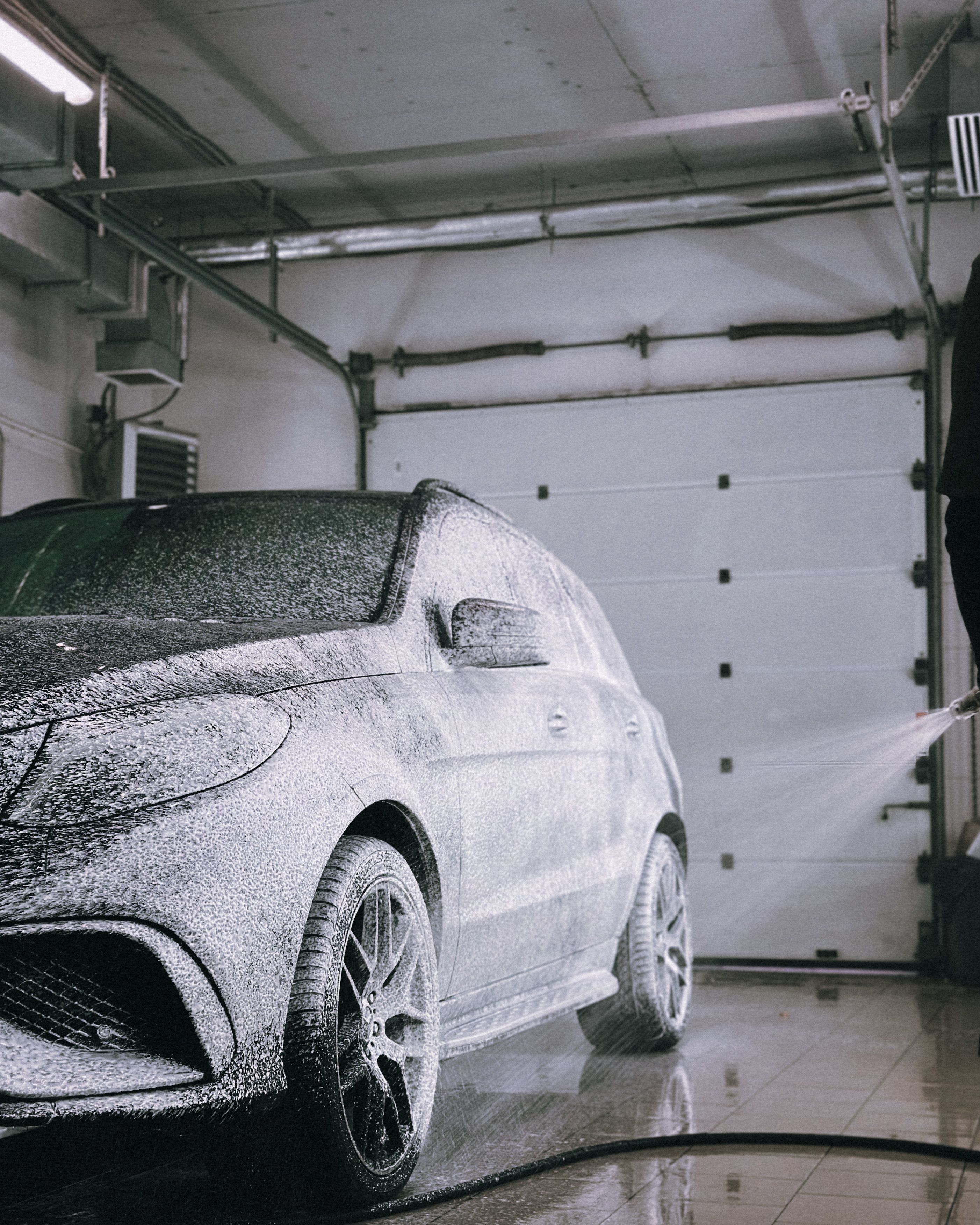
Begin with a thorough rinse. A pressure washer can improve coverage and cleaning efficiency when used correctly. A foam pre-wash can also help loosen grime, but foam is not a substitute for proper contact washing and it does not guarantee a scratch-free wash.
Using Dirty, Rough or Improvised Wash Media
Old shop rags, contaminated towels and worn wash media can hold abrasive debris. Even a good microfiber product can mar paint if it is dirty, overloaded with grit or improperly washed.
Use clean microfiber or another paint-safe wash medium with plenty of lubrication. Keep separate towels and tools for paint, wheels, interiors and especially dirty jobs. Replace wash media when it becomes worn, stained with contamination that will not release, or damaged.
Cross-Contaminating Wheels and Paint
Wheels and tires collect brake dust, road grime and other heavy contamination. The problem is not simply whether you clean the wheels first or last; the important issue is keeping wheel tools and dirty runoff away from your paint-washing tools.
Use dedicated wheel brushes, towels and wash media. Many detailers clean wheels first so dirty wheel runoff can be rinsed away before the paint wash, but either order can work if you prevent cross-contamination and do not reuse wheel media on painted panels.

Dragging a Drying Towel Across Dirty or Poorly Rinsed Paint
Swirls are caused by abrasive contact, not by circles themselves. Circular wiping can make defects appear more obvious from many viewing angles, but straight-line wiping can still scratch paint if dirt is trapped under the towel.
Rinse thoroughly, use a clean high-absorbency drying towel and avoid unnecessary pressure. A drying aid can add lubrication. Blowing water from mirrors, grilles, badges and panel gaps can reduce repeated towel contact and help prevent drips.

Using Cleaners That Are Too Aggressive for the Job
Household cleaners are not formulated around automotive finishes, trim and existing protection. Strong detergents can weaken or remove some waxes and sealants, and inappropriate cleaners can stain or damage sensitive materials.
Use a dedicated automotive shampoo appropriate for the finish and protection already on the vehicle. For routine maintenance, a mild shampoo is usually the safer choice. Follow the chemical manufacturer’s dilution and surface-compatibility instructions rather than assuming one cleaner is safe everywhere.
Quick Reference: Safer Car Washing
- Keep the paint cool enough that soap and water do not dry immediately.
- Keep dirty wash media out of your clean wash solution.
- Remove loose contamination before the contact wash.
- Use clean, paint-safe wash and drying media.
- Keep wheel tools completely separate from paint tools.
- Minimize pressure and unnecessary towel contact while drying.
- Use automotive chemicals that match the surface and job.
What If the Paint Is Already Swirled?
Changing your wash process prevents additional wash-induced marring, but it does not remove defects that are already in the clear coat. Light swirls may respond to a one-step machine polish. Heavier defects can require more correction, and some scratches are too deep to remove safely.
Before machine polishing, clean and decontaminate the paint and perform a test spot. The goal is not to remove as much clear coat as possible; it is to use the least aggressive process that produces an acceptable improvement.
For more detail, see how to remove swirl marks and ceramic coating vs. traditional wax.
DIY It or Have a Detailer Handle It?
Both can make sense. The right choice depends on the condition of the vehicle, your equipment, your experience and how much time you want to spend.
DIY makes sense when…
You are doing maintenance washing, light decontamination and routine protection, and you are comfortable learning a careful process.
Keep Learning →Professional service makes sense when…
The paint is heavily swirled, stained or oxidized, you want correction or coating work, or you simply do not want to spend hours doing it yourself.
Request Service in Wilkes County →Our business resources cover starter equipment and free invoicing tools without getting in the way of the DIY and local-service content.
Business Starter Kits →